6 Strategies to Improve Your Reverse Logistics Process

pallet dimensioner, reverse logistics
Facebook
Twitter
LinkedIn
Print
Email
What is Reverse Logistics? 

Reverse logistics is the process of planning and controlling the flow of goods from the end consumer back to the point of origin – typically the retailer, or even the original manufacturer. Having a well-thought-out, well-implemented process for handling the reverse flow of goods (returned items) is a necessity for today’s shippers. Especially, when you consider that Americans returned $743 billion in goods, about 14.5 percent of all purchases, in 2023, according to the National Retail Federation.

So what can you do to improve your reverse logistics process? These tips will get you off to a good start.

1. Create a “Returns Area” and Sort Shipments as Soon as They Come In

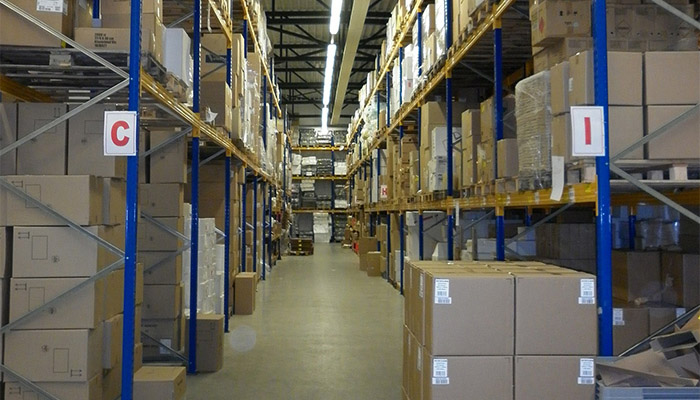
Building a solid reverse logistics process starts in the warehouse. We suggest keeping returns contained to one area, and sorting them into four categories – restock, discard, return to supplier, and priority – as soon as they come in. This keeps your warehouse organized, and ensures that items are routed correctly from the get-go.

2. Restock Items Quickly

Monitor your returns marked as “priority” and “restock” regularly and get them scanned and stocked back onto your shelves as quickly as you can. Doing so ensures your inventory and ordering systems are up to date, and that products are available for resale sooner.

3. Consider Repairing, Refurbishing, and Reselling Damaged Items

Reverse logistics is about mitigating your losses, and reselling refurbished or “as is” items is another way to recoup what would otherwise be lost money. These items can be listed for lower prices and may appeal to customers who can’t or won’t pay full price for your merchandise.

4. State Your Returns Policy Clearly

After you’ve implemented these reverse logistics strategies in your warehouse, it’s time to focus on making returns easy for your customers. This starts with stating your returns policy clearly so potential buyers know what to expect. In retail, and especially in online retail, many consumers will investigate companies’ return policies before pulling the trigger on an item. You want to assure them that their returns will be handled and credited back to their accounts quickly. Showing them how the returns process works with a step-by-step illustration or guide will also help customers understand the process, minimize delays, and improve the odds of returned items reaching you in good condition.

5. Pack Return Labels with Your Shipments
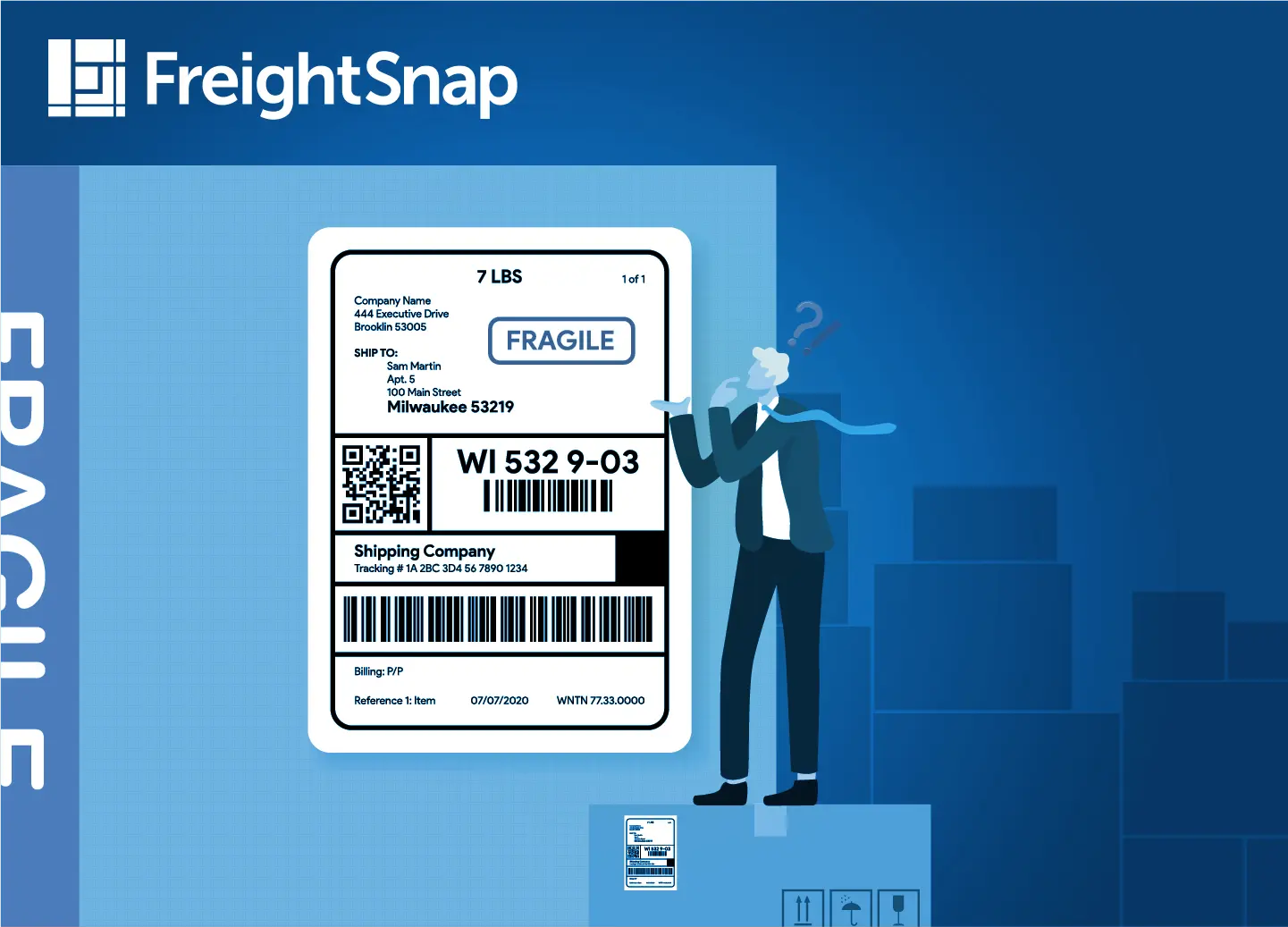
reverse logistics shipment details

Packing return labels with every shipment is another step in reverse logistics that can make returns easy on your customers. If you can manage, make your labels “scan-based labels” also known as “pay on use labels” to score major points with consumers. Paying for return shipping can be expensive, but the goodwill you build by improving the customer experience is likely to pay for itself quickly. If you’re worried about the extra costs, implement paid return labels as a pilot program for a defined period, then perform a cost/benefit analysis to determine its validity for your operation.

6. Invest in Durable Packaging and Ensure that Shipments are Easy to Open

If you plan on having customers send returns back in the original boxes or envelopes, make sure those materials are durable enough to handle a two-way trip. Cheap packaging materials, or packages that are difficult to open get damaged easier, which means your merchandise is also more likely to get damaged during the return trip. Besides, there aren’t many things that frustrate a customer more than having to buy their own packaging just to return something they no longer want.

If you’re a reverse logistics company, learn more about why you should choose FreightSnap for your dimensioning process here.

For more articles like this, subscribe to our newsletter!

Was this article helpful?

Michael Eichenberg is the co-founder and CEO of FreightSnap, allowing the supply chain, logistics, manufacturing, distribution and transportation industries to measure, weigh, photograph and ID pallets and parcels in just seconds. Learn more and share your ideas on Facebook and LinkedIn.g
Subscribe to our Blog

Stay up to date with our latest news, receive exclusive deals, and more.

2023 Newsletter Subscription Contact Form

Subscribe to Our Blog

Stay up to date with our latest news, receive exclusive deals, and more.

The topic of dimensional weight pricing in the LTL transport industry has been covered at length as major LTL carriers like FedEx, UPS, Old Dominion Freight, SAIA, Estes Express Lines, YRC Freight and others have started using DIM weight as a key component in their rate calculations for shippers. In...

Ever since volumetric freight dimensioning became the standard form of measurement for the transportation and shipping industries, companies have been working to streamline the process and take advantage of its benefits. But, like any new process, the transition to dimensional weight measurement has caused a few headaches for companies making...

In a warehouse or distribution center, slotting refers to the storage and organization of goods in a manner that maximizes storage space and improves the efficiency of picking and pulling operations. It might sound complicated, but it’s actually something we all do every day, whether we know it or not....

Automated cubing and dimensioning equipment is emerging as a necessary capital investment for companies across the supply chain, and as such, professionals from various backgrounds – operations, IT, management and accounting – are beginning their first rounds of research into the available products, and the companies that produce them. However,...

Real talk: FreightSnap started by measuring rooftops. Not freight. Rooftops. Back in 2012, we built software that used Google Earth to measure roofs, yards, and walls for the home improvement crowd. We even landed a U.S. patent on it. Then some logistics folks caught wind of the tech and asked...

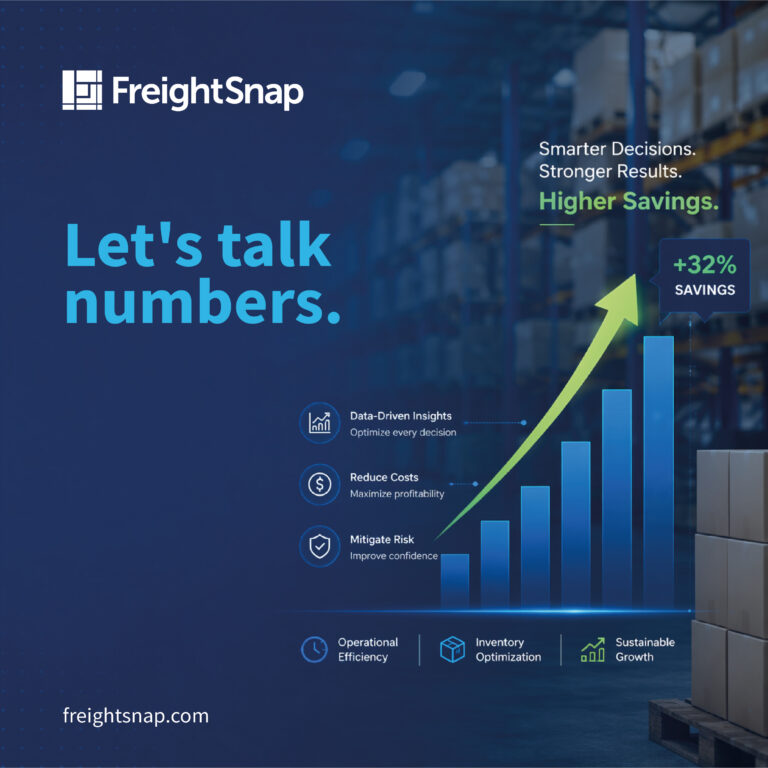
Let’s talk numbers, because that’s where this gets real. Manual freight measuring doesn’t fail loudly. It bleeds you quietly: → Reclassification fees on a single shipment can run hundreds of dollars — and they pile up fast across a busy dock. → Reweigh and re-measure charges hit when your numbers...

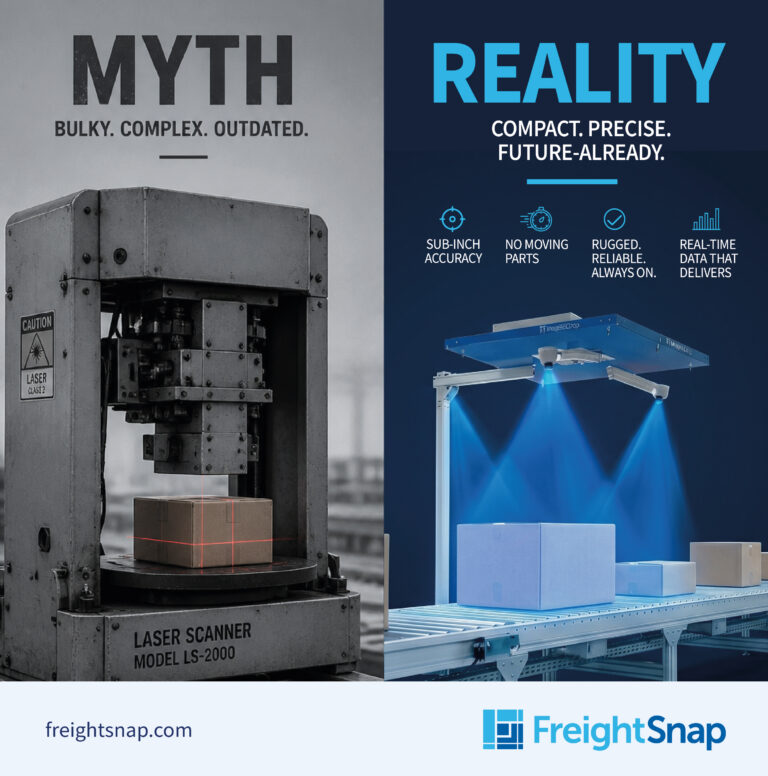
Hot take: “Dimensioners are too expensive and too much of a hassle to install” is the most expensive myth in freight. Let’s bust it. MYTH: You need a six-figure laser rig with moving parts and a specialist on speed-dial. REALITY: We build on modern infrared sensors — the same tech...

Subscribe to our Blog

Stay up to date with our latest news, receive exclusive deals, and more.

Any time you add a new piece of equipment or software to your operation, there’s potential for disruption, confusion, and even pushback from employees toward the new device or system. It’s only natural as people don’t like change – especially in the workplace. The good news is, these changes don’t...

Ever since volumetric freight dimensioning became the standard form of measurement for the transportation and shipping industries, companies have been working to streamline the process and take advantage of its benefits. But, like any new process, the transition to dimensional weight measurement has caused a few headaches for companies making...

The Importance of Freight Class As the debate between density-based freight pricing and the class-based system rages on, it’s no secret that less-than-truckload carriers in the United States are steadily moving toward dimensional weight pricing regardless of shipper’s qualms – after all, density based pricing is already the standard in...

The American Transportation Research Institute (ATRI) has released its 2018 report on the Cost of Congestion to the Trucking Industry, which showed that congestion caused nearly 1.2 billion hours of delay (the equivalent of 425,533 commercial truck drivers sitting idle for an entire working year) and cost the industry more...

Real talk: FreightSnap started by measuring rooftops. Not freight. Rooftops. Back in 2012, we built software that used Google Earth to measure roofs, yards, and walls for the home improvement crowd. We even landed a U.S. patent on it. Then some logistics folks caught wind of the tech and asked...

Let’s talk numbers, because that’s where this gets real. Manual freight measuring doesn’t fail loudly. It bleeds you quietly: → Reclassification fees on a single shipment can run hundreds of dollars — and they pile up fast across a busy dock. → Reweigh and re-measure charges hit when your numbers...

Hot take: “Dimensioners are too expensive and too much of a hassle to install” is the most expensive myth in freight. Let’s bust it. MYTH: You need a six-figure laser rig with moving parts and a specialist on speed-dial. REALITY: We build on modern infrared sensors — the same tech...

Product Sheet - FS Parcel Dimensioner

2023 DimReimag LP - FSParcel PS Dwnld

Product Sheet - FS 5000 Dimensioner

2023 DimReimag LP - FS500 PS Dwnld

Request a Quote!

2023 DimReimag LP Pricing Request Form